« Helicopters are expensive and complex to operate, with limited range and endurance.
Helicopters rely on sophisticated maintenance facilities and certified professionals that are often unavailable in many regions, particularly in remote or disaster-prone areas. »
combines
advanced aeronautical technology
with eco-friendly operations.
Strengthening National Security with Strategic Air Solutions
That’s why we created :
to overcome these challenges and provide helicopter-like services with our to over 5 billion people across more than 140 countries where helicopter services are lacking.
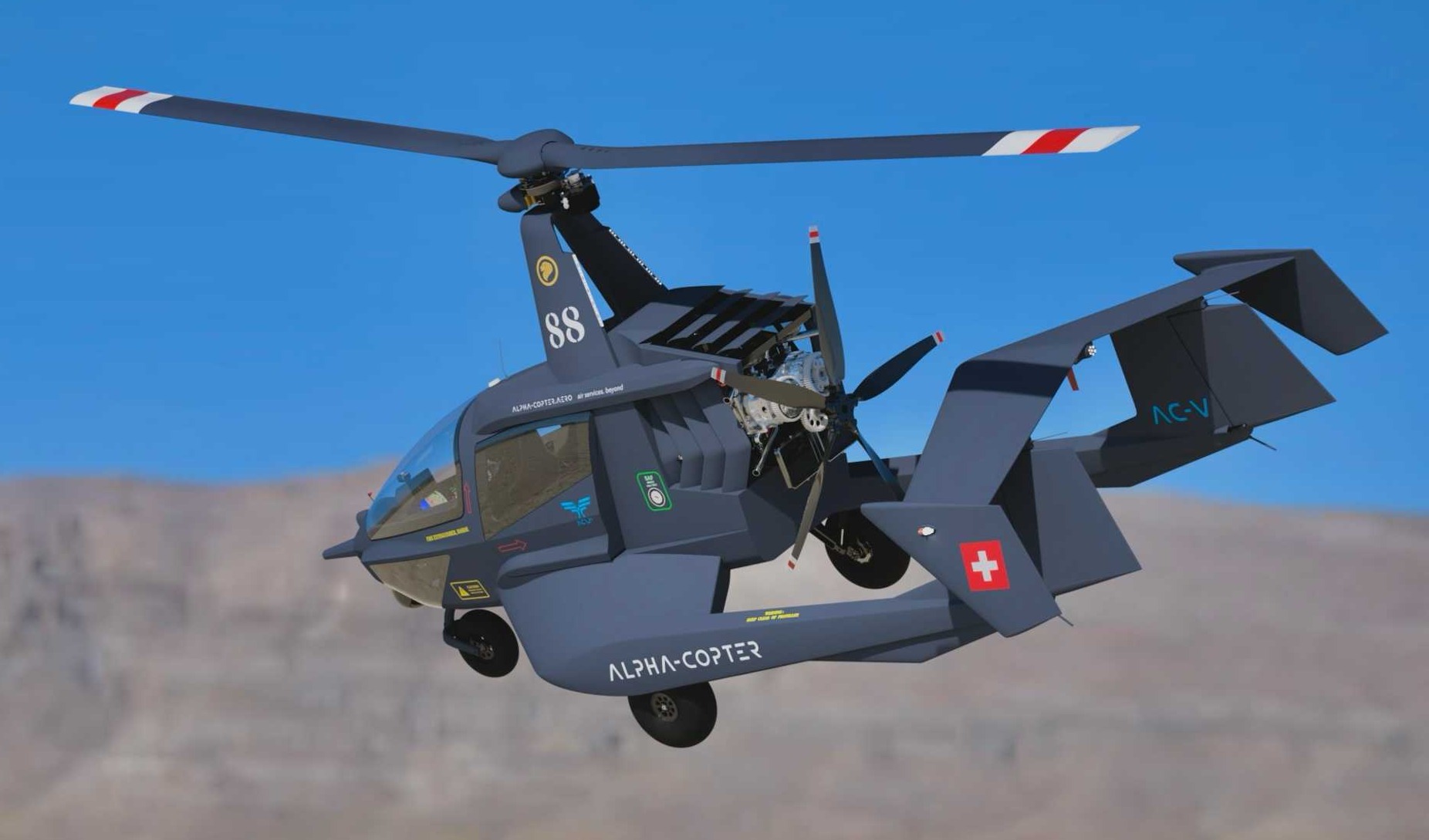
is designed for low emissions and low fuel consumption. The propulsion system is compatible with Sustainable Aviation Fuel (SAF) and Jet A-1 and offer twin-engine safety and highest efficiency in the market.
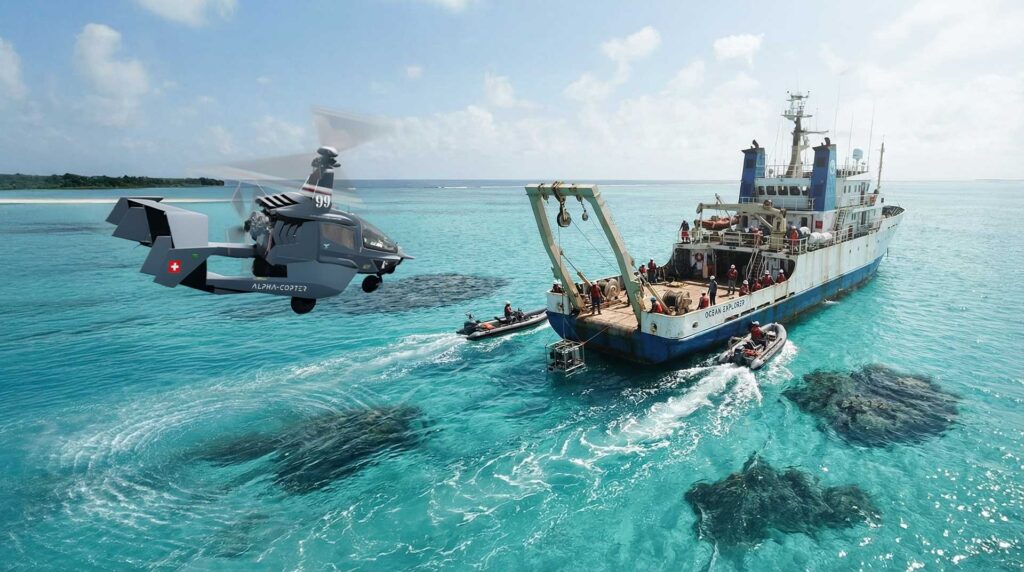
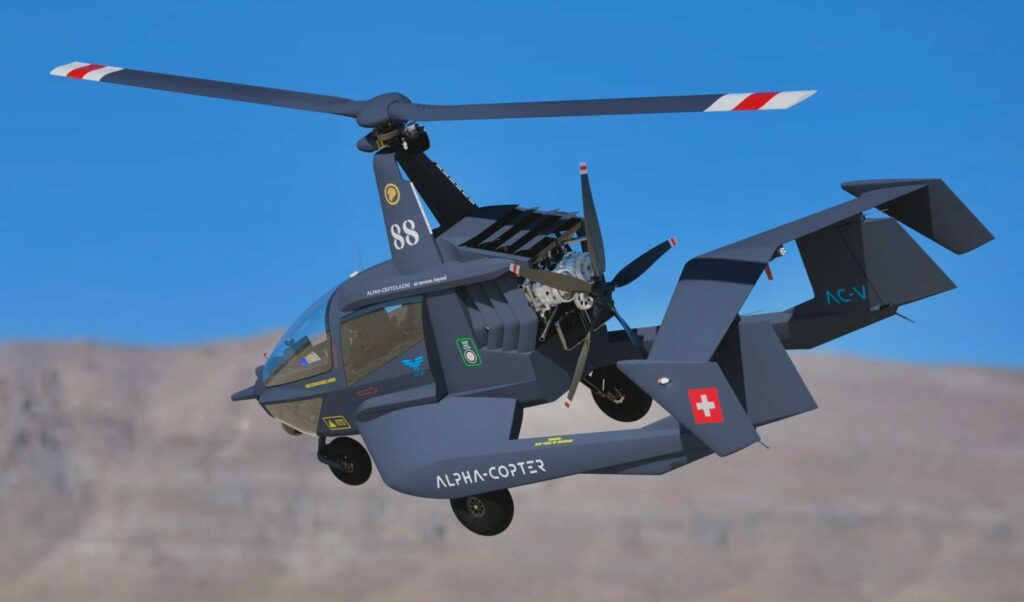
For both military and civilian applications, the AC-V, a five-seater, twin-engine, rotary aircraft, is shaping the future of sustainable aviation beyond the operational restrictions of traditional helicopters.
versatile applications formilitary and civilian use
twin-engine design forsafety and regulatory compliance
delivers supportbeyond limitationsof traditional platforms
lightweight, recyclable materialsin construction.
fuel-efficient,
optimised design for
reduced carbon footprint
safe, reliable operations
(Category A, OEI)
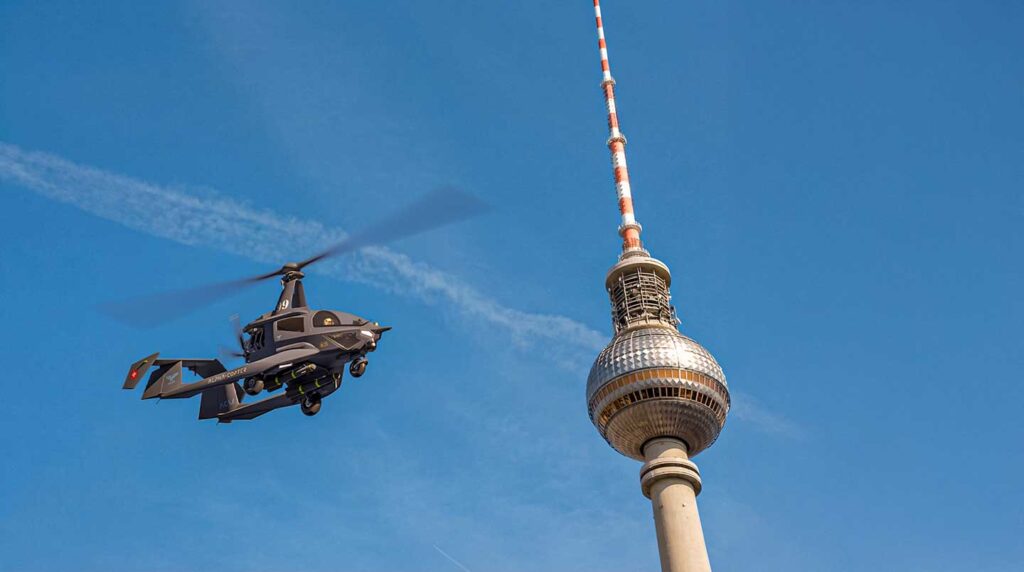
over cities, sea, and forests.
Value Proposition
simplicity
can operate RELIABLYin remote areas
capability
can fly further and longerand in most airspaces
versatility
can do logistics, MEDEVAC,surveillance, future warfare
modularity
can adapt to missionsand future requirements
interoperability
as force multiplier fornetwork centric warfare
mobility
made for rapiddeployment in FOBs
autonomy
no need forcommunication or groundinfrastructure
affordability
in acquisition,maintenance,training andoperations
sustainability
near-zero CO2footprint through aresource-efficientintegrated system
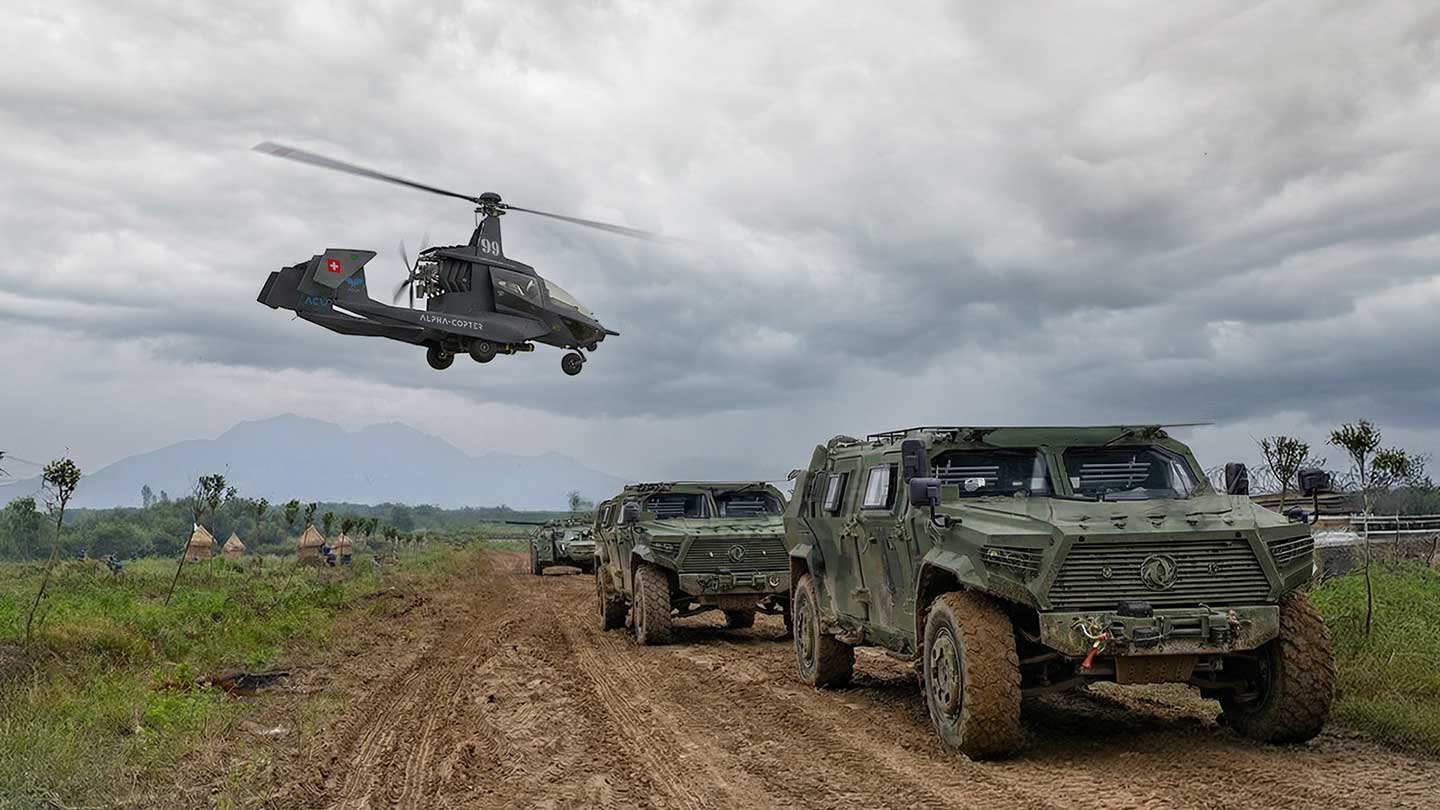
Our primary goal was to develop an aircraft that functions with unwavering dependability in austere, forward-operating environments, while also possessing the performance to cover vast distances and persist over targets.
Engineered for immediate action from any forward position, featuring a design that can be quickly reconfigured to handle a wide range of emerging operational demands.
Designed to operate with complete self-sufficiency, free from any reliance on ground infrastructure or communication links, all while maintaining an exceptionally low total cost of ownership.
combines advanced aeronautical technology with eco-friendly operations.
is designed forlow emissions and low fuel consumption. The propulsion system is compatible with Sustainable Aviation Fuel (SAF) and Jet A-1 and offer twin-engine safety and highest efficiency in the market.
lightweight, recyclable materialsin construction.
fuel-efficient,
optimised design for
reduced carbon footprint
safe, reliable operations
(Category A, OEI)
over cities, sea, and forests.
ALPHA-COPTER combines advanced aeronautical technology with eco-friendly operations.
ALPHA-COPTER is designed for low emissions and low fuel consumption. The propulsion system is compatible with Sustainable Aviation Fuel (SAF) and Jet A-1 and offer twin-engine safety and highest efficiency in the market.
Lightweight, sustainable materials in construction.
Fuel-efficient engines reducing carbon footprint.
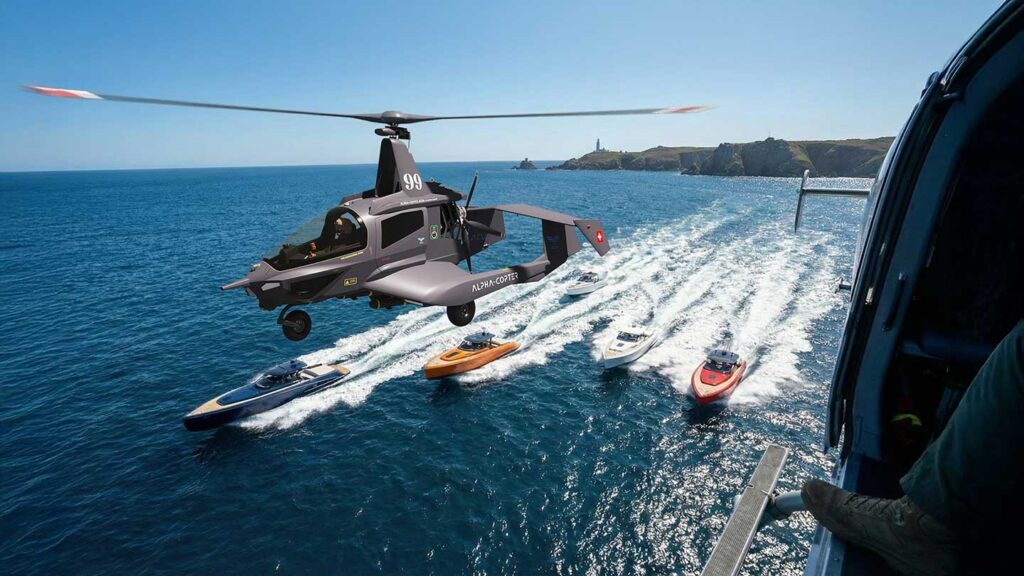
Safe, reliable OEI-operations (One Engine Inoperative) for missions over cities, seas, and forests.
We've detected you might be speaking a different language. Do you want to change to:
Connecting Remote Communities with Reliable Air Services
bridges communities by providing cost-effective air services to remote areas. This enhances access to healthcare, education, and economic opportunities, significantly improving the quality of life.
Boosting Opportunities for People in Key Industries in Remote Areas
improves logistics in agriculture, mining, oil, and gas sectors in difficult-to-reach regions. This helps industries grow and develop more evenly across a nation.
Creating High-Value Jobs through Technological Advancement
By transferring technology and boosting manufacturing, creates jobs in high-tech fields. This supports high-value exports and raises global reputation.
Leading the World in Sustainability with Near-Zero CO2-Emissions Air Services
‘s eco-friendly technology cuts drastically emissions, supporting climate goals while showcasing innovation. This achievement positions as a global leader in sustainable aviation.
Strengthening National Security with Strategic Air Solutions
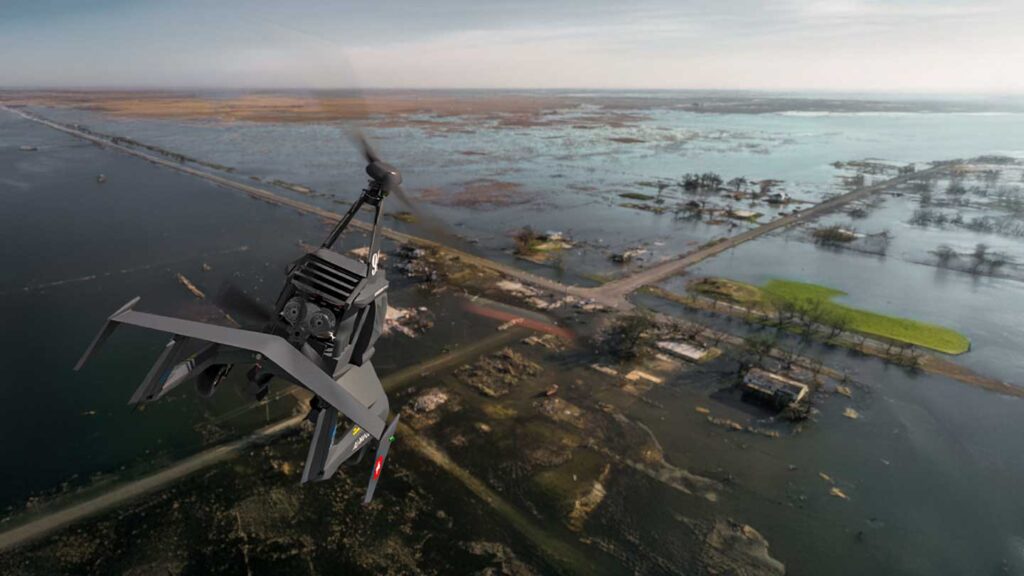
empowers authorities with independent emergency support and disaster response. Its capabilities enhance national resilience and ensure effective coverage across all regions.



 English
  German
 French
 Spanish
 Indonesian